Appliance removal across Baytown. Fridges, washers, dryers hauled and recycled responsibly. fast scheduling.
Removing a broken appliance might look simple-just unplug it and drag it out, right? The reality is far more complex. Refrigerators and freezers contain refrigerants that are regulated by the EPA and must be recovered by certified technicians before disposal. A standard refrigerator or washer is heavy and bulky and requires careful handling to navigate tight doorways, basement stairs, and narrow hallways without damaging your home. Gas ranges demand safe disconnection from gas lines-a job that should only be done by qualified professionals. Water heaters can contain asbestos insulation in older models and require proper tank drainage before removal. Air conditioning units have electrical connections and outdoor concrete pads that make extraction a multi-person job. Licensed haulers carry the right equipment, training, and credentials to handle all of this safely and legally.
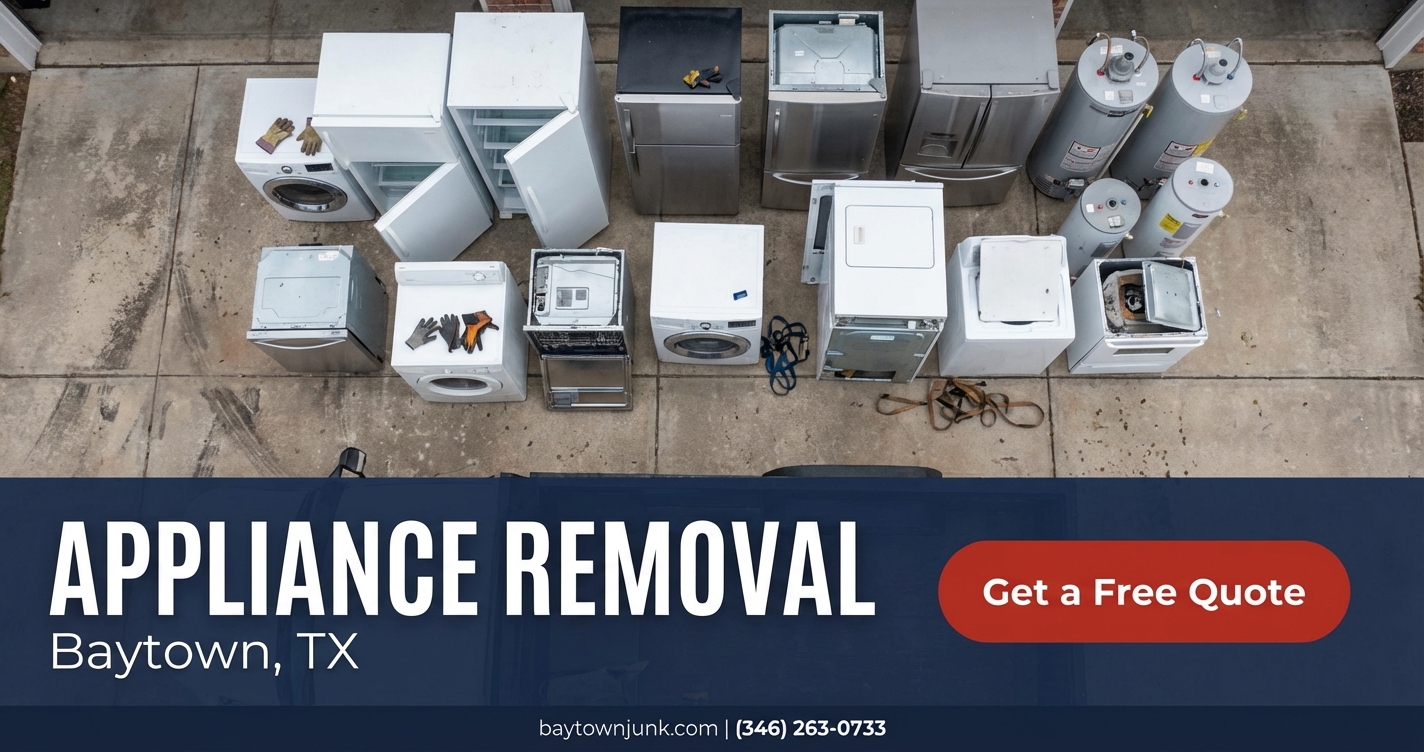
Freon and other refrigerants must be recovered by certified technicians before the unit is recycled or scrapped. This is an EPA requirement, not a suggestion. A single refrigerator can contain 1-2 pounds of refrigerant. When that refrigerant enters the atmosphere, it's equivalent to thousands of pounds of CO2 in terms of environmental impact. The compressor, copper tubing, and steel body then go to metal recycling facilities. Never let a refrigerator get hauled to a landfill-proper recovery and recycling is the only responsible route.
These units are deceptively heavy and awkward. A standard washing machine weighs 150-200 pounds, and the internal drum can shift during movement, throwing off balance. Water lines need to be properly disconnected and sometimes purged before removal. Dryers require both electrical disconnect and vent duct removal from the wall. The metal drum inside a washer or dryer can cause drywall damage if the unit tips or rotates during extraction. Most jobs require a professional crew minimum to safely remove a washer or dryer without injury or property damage.
Gas ranges are the most dangerous to remove without professional help. The gas line connection must be safely disconnected by someone trained to detect leaks and ensure no gas escapes into the home. Built-in ovens are often tied to cabinetry and require careful disassembly. Cast iron grates, racks, and burner covers are heavy and fragile. Electric ranges need proper electrical disconnect to avoid shock or fire hazard. Glass cooktops can shatter if pressure is applied unevenly during removal. The stovetop or oven sits at an awkward height, making leverage difficult for DIY extraction.
These units can weigh 100-150 pounds when empty and considerably more when full. Plumbing disconnects include hot, cold, and drain lines that can still contain standing water and sediment. Older water heaters often have asbestos-wrapped insulation around the tank and pipes. Natural gas or propane lines must be professionally disconnected if applicable. The tank can rust and weaken, risking puncture or leakage during removal. Draining the tank safely without flooding the basement or utility room requires preparation and the right equipment.
Window and room AC units contain refrigerant that must be recovered before recycling. Central AC systems require both indoor unit and outdoor compressor removal. The outdoor condenser unit often sits on a concrete pad and is bolted down. Electrical disconnects are complex and dangerous if done incorrectly. Refrigerant lines contain specialized pressurized fluid. Ductwork and electrical wiring may need to be disconnected or rerouted. Without proper training and equipment, AC removal creates safety hazards and environmental violations.
Appliance disposal and recycling by the numbers - what proper handling means for the environment and your home.
Location is not an obstacle. Whether the appliance is in the kitchen, garage, basement, attic, backyard shed, or stuck in a second-floor bedroom, licensed crews come equipped to handle it. Stairs get navigated carefully. Tight hallways get measured and assessed. Heavy units get dollies and straps. Doorframes get protected. Outdoor units bolted to concrete pads get the right tools. Basement units surrounded by storage get moved around. Crews arrive ready for the specific challenge of your space, no matter how tight, how far, or how awkwardly positioned the appliance sits.
Real appliance removal jobs in the Baytown area. No stock photos.
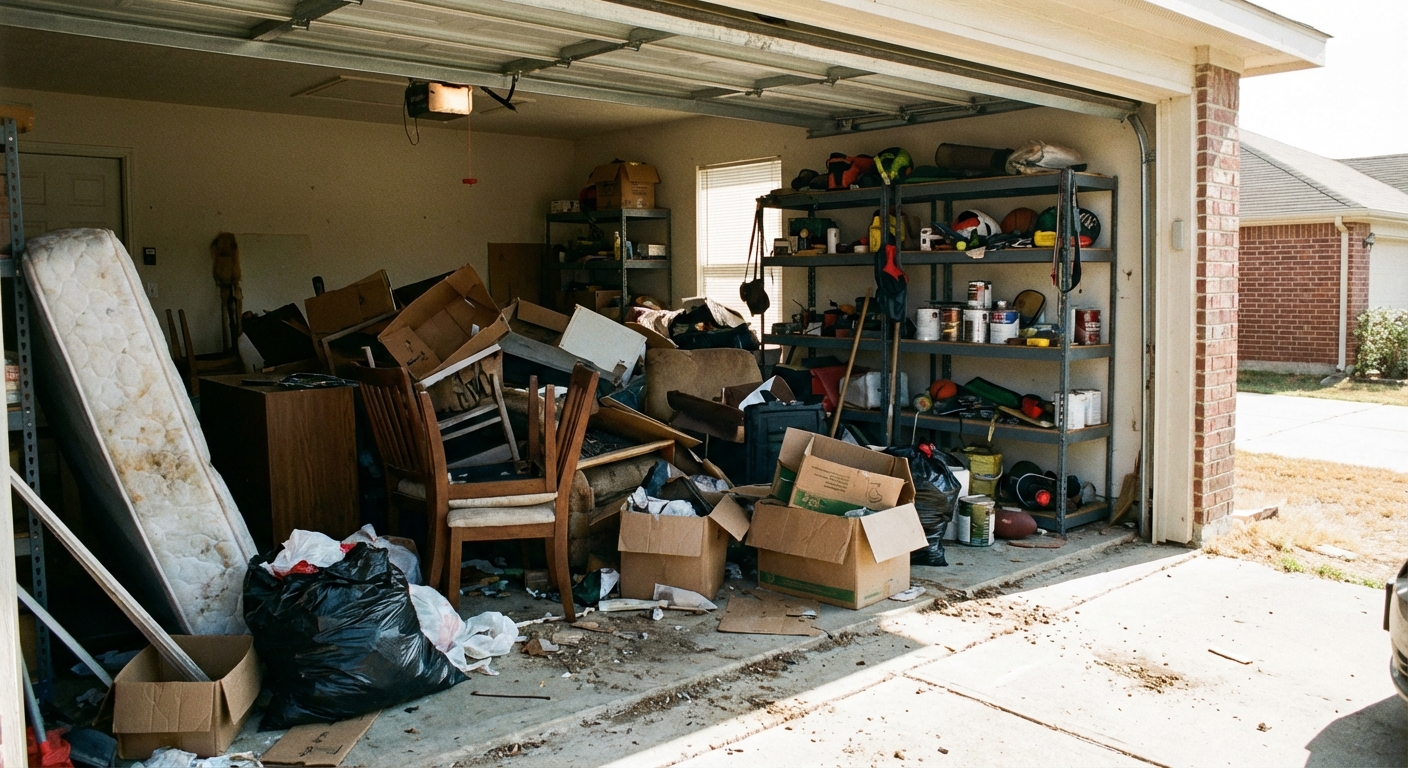 Before
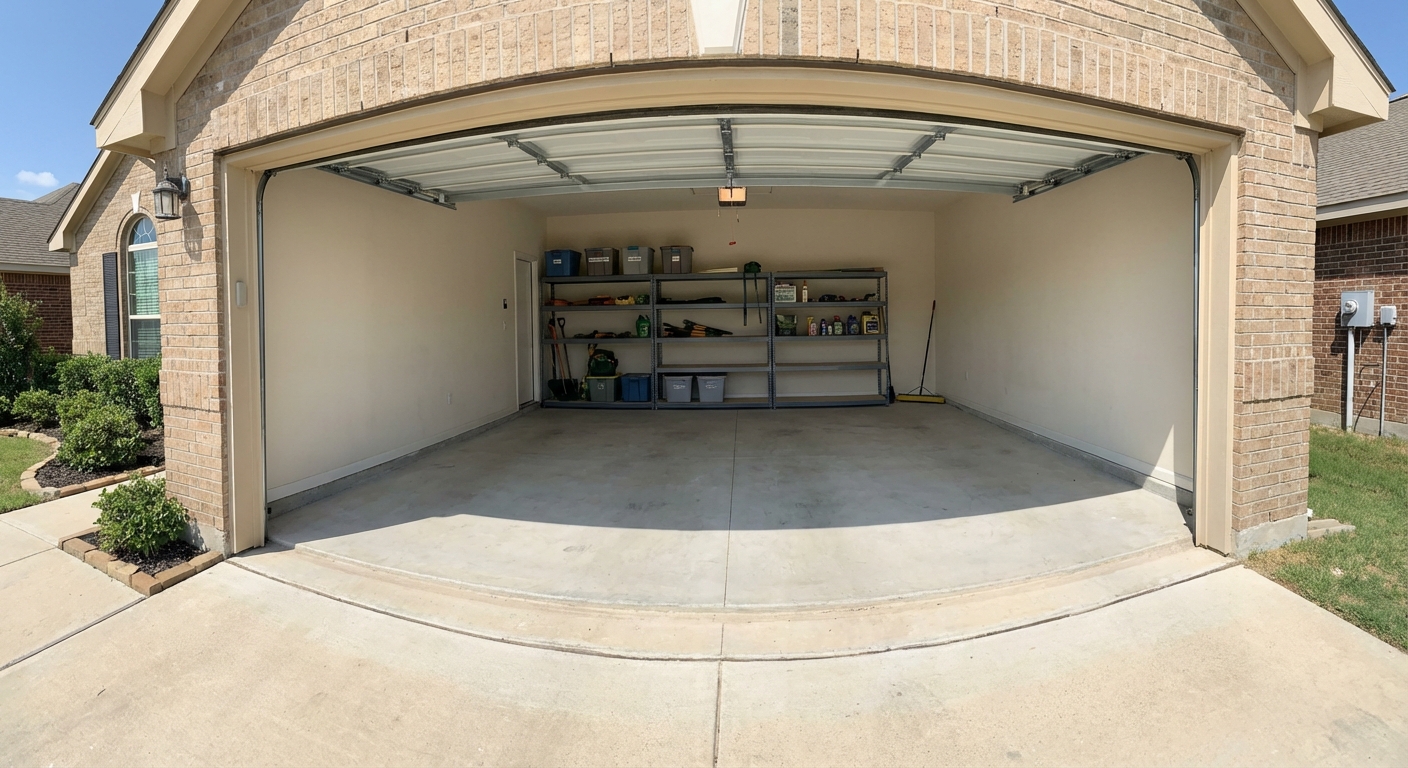 After
After
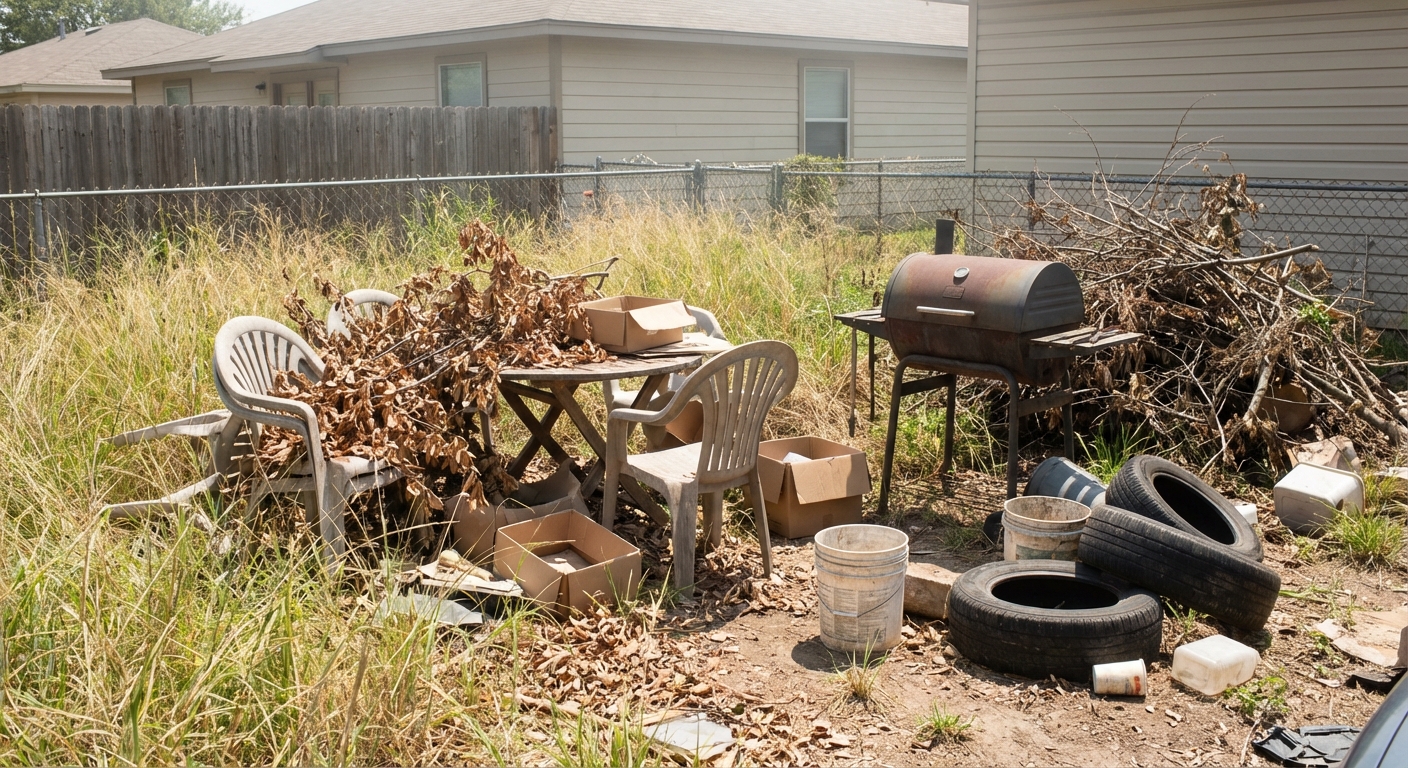 Before
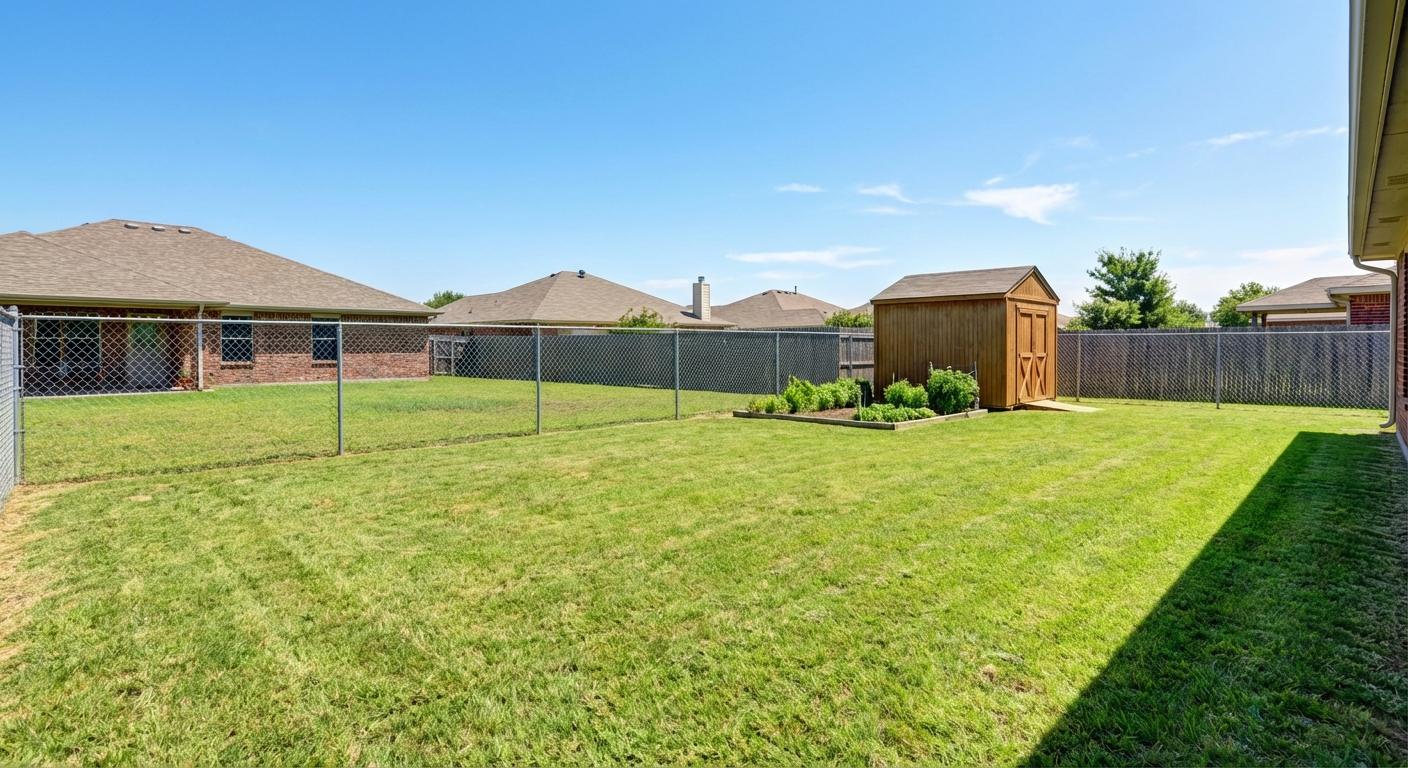 After
After
Beyond appliances. Full-spectrum removal and hauling services covering all Baytown neighborhoods.
Full-service hauling for homes and businesses
Couches, beds, desks - gone in minutes
Fridges, washers, dryers - properly recycled
Full clearing - boxes, tools, junk, all of it
Mattresses, box springs - picked up and gone
Demo and haul - spas, jacuzzis, swim spas
Compassionate, no-judgment property clearing
Sensitive, thorough property clearing
Post-reno cleanup - drywall, lumber, tile
Brush, branches, storm debris, soil
Sheds, decks, fences, interior tear-outs
Roll-off containers delivered to your door
Teardown and haul - fully handled
TVs, computers, electronics - recycled right
Fast turnaround for banks and agents
Office cleanouts and business pickups
Appliance pickup and recycling is available across the greater Baytown area and surrounding cities.
Don't see your city? Reach out - it's probably covered.
Water lines should be disconnected before pickup when possible. If you're unable to do this yourself, mention it when scheduling. The crew can disconnect lines on-site, but having it done beforehand speeds up the process. Make sure to let any standing water drain from the hoses before removal begins to avoid damage to your floors.
Appliance removal is specialized because appliances contain EPA-regulated refrigerants, plumbing connections, gas lines, or electrical hazards that require certification and proper handling. General junk removal handles items like furniture, boxes, and miscellaneous clutter. Both can be handled in one appointment if needed - just list everything that needs to go.
Yes. Ovens and ranges get removed from tight kitchens regularly. The crew assesses door widths, cabinet configurations, and hallway access during scheduling. If a gas range is in a corner or surrounded by cabinetry, local pros know how to work around obstacles safely. Electric ranges are easier to move but still require care with cooktop glass and trim. Don't assume your kitchen layout is too difficult - request a quote and describe the space.
Water heaters are primarily steel tanks with copper piping, both recyclable metals. While individual scrap value is minimal, metal recyclers accept them and recover the materials. The real win is preventing the tank from rusting in a landfill for decades. Older units may contain asbestos insulation, which requires proper disposal to comply with environmental regulations. Licensed removal ensures safe handling and appropriate recycling pathways.
Basement and upper-floor appliances get careful assessment. Narrow basement stairs, low ceilings, and tight basement corners all get evaluated during the quote. Equipment like dollies, straps, and sometimes temporary doorframe protection gets deployed. For second-floor washers or dryers, the crew measures stairwell width and uses proper lifting techniques. Heavy appliances like refrigerators or water heaters from upper levels require planning and the right crew size - this is when professional removal prevents injuries and property damage.
Refrigerators have a small drain pan beneath the unit that collects condensation. If not emptied before removal, water can spill during transport, damaging flooring or the crew's vehicle. The drain plug is usually accessible from the front kick-space and takes 30 seconds to open. If you're unsure where it is, mention it during scheduling - the crew can handle it, but advance notice helps them prepare with towels or a catch tray.
Takes 30 seconds. Expect a quick response.
No spam. No pressure. Just a straight answer on what it'll cost.
One call or quote request gets old appliances removed and properly recycled.
Call (346) 263-0733 →